
How To Choose A Home That Fits Your Eastern Shore Lifestyle
Key Takeaways
- The best Eastern Shore home is the one that matches your routines, budget, and future plans.
- Compare annual ownership costs, not only the purchase price or mortgage payment.
- Waterfront, historic, rural, and newly built homes each bring different responsibilities.
- Careful inspections, insurance review, and local due diligence can prevent expensive surprises.
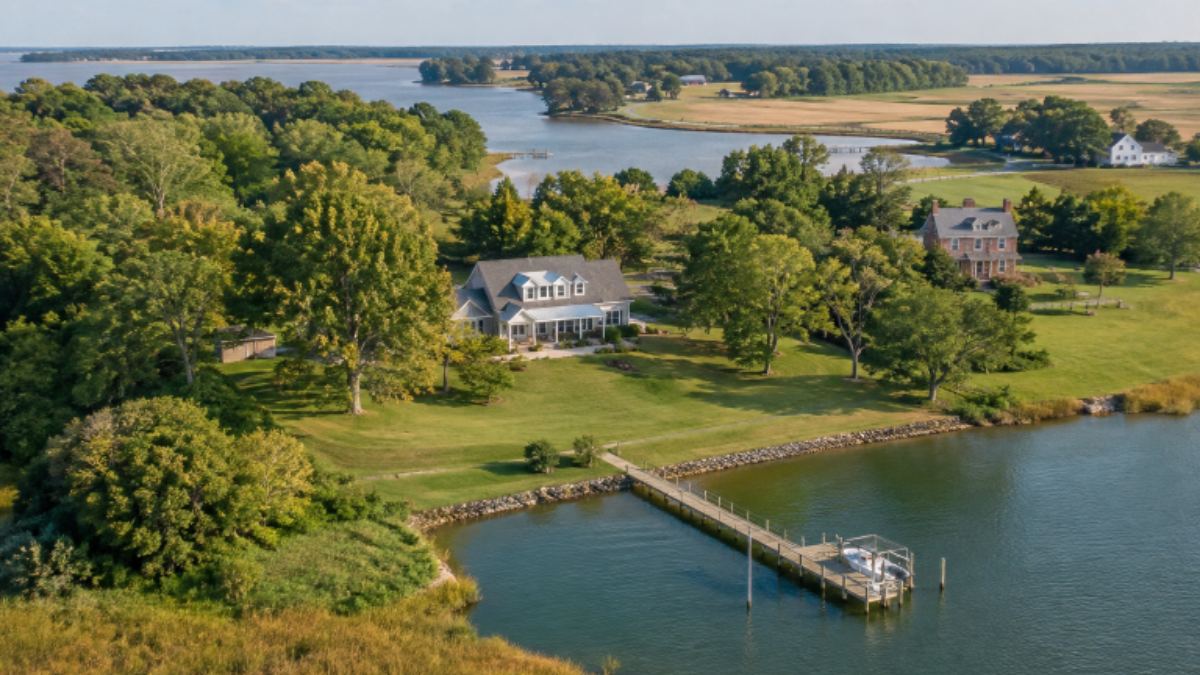
Buying a home on Maryland’s Eastern Shore is about more than choosing a floor plan or falling for a water view. From Easton and Oxford to rural Talbot County roads and nearby Chesapeake Bay communities, the right property should support the way you plan to live each day, through every season.
For buyers comparing very different properties, Easton MD real estate experts Benson & Mangold Real Estate can provide useful local perspective. Benson & Mangold Real Estate is an Eastern Shore real estate firm with home-search options for waterfront homes, lots and land, new construction, and other property types across areas including Talbot, Dorchester, Queen Anne’s, Caroline, and Kent counties. That local familiarity can help buyers consider community fit, property conditions, and resale factors alongside a listing’s visual appeal.
Start With The Lifestyle, Not The Listing
Before scheduling tours, decide how the home will be used. A primary residence, weekend retreat, future retirement home, and rental-oriented property may require different locations, layouts, and maintenance expectations. Write down the features that shape daily life, such as privacy, water access, walkability, storage, workshop space, a garden, or room for visiting family.
Separate true needs from attractive extras. A renovated kitchen may be appealing, but a longer drive to groceries, health care, or work can become more important after closing. Consider how the property should work five or ten years from now, especially if your plans could include remote work, boating, pets, aging in place, or more time spent on the Shore.
Compare The Main Home Types
Eastern Shore buyers often weigh several distinct property styles. Instead of treating one as universally better, compare the trade-offs directly:
- Waterfront homes: Often offer views, direct recreation, and a strong connection to the Bay, rivers, or creeks. Review water exposure, shoreline condition, drainage, and insurance needs.
- Historic homes: Can offer original details, established neighborhoods, and distinctive architecture. Plan for careful inspections, possible specialized repairs, and any applicable design-review requirements.
- New construction: May provide updated systems and modern layouts. Confirm what is included, what costs extra, and how the neighborhood will change as building continues.
- Rural or acreage properties: Can provide space, privacy, gardens, barns, or outbuildings. Check private roads, wells, septic systems, service access, and the condition of every structure.
Review Waterfront Costs And Risks
A waterfront setting can affect more than the price of the home. Ask about past water intrusion, flood-zone status, drainage patterns, access during severe weather, and the condition of bulkheads, docks, piers, lifts, and shoreline stabilization. Determine who is responsible for maintaining each feature and whether permits may be needed for future work.
Insurance questions belong early in the buying process. Maryland’s guidance on how flood coverage works in Marylandexplains that standard homeowners insurance generally does not cover flood damage. Obtain coverage estimates and discuss lender requirements before removing contingencies that protect your ability to investigate the property.
Know What Comes With A Historic Home
Older homes can be deeply appealing, particularly in established towns and villages where porches, woodwork, and mature trees create a sense of place. They also need a thorough review of the foundation, roof, electrical system, plumbing, heating equipment, insulation, moisture conditions, and visible wood damage.
For example, a buyer may love an original staircase and broad front porch, then learn that replacement windows or exterior changes must meet local historic-district standards. Ask whether the home is in a district, request records for renovations, and price likely repairs before allowing character alone to drive the decision.
Check The Details Of New Construction
New construction does not eliminate the need for due diligence. Review the builder’s completed work, included materials, upgrade pricing, warranty terms, and process for handling repairs. An independent inspection before closing can identify items that deserve attention while the builder remains responsible.
Also ask about homeowners association rules, recurring fees, drainage systems, utility service, road ownership, landscaping, and future phases of construction. A quiet model-home street may look different once nearby lots are built and occupied.
Study The Location Beyond The Property Line
Visit promising areas at different times of day. Drive the route during work hours and weekends, then check practical access to grocery stores, schools, medical care, marinas, restaurants, and everyday errands. Confirm internet and mobile service at the specific property, particularly in more rural locations.
Ask about shared driveways, private-road agreements, seasonal traffic, nearby development, and zoning. In flood-prone areas, state floodplain-development rulescan affect permits, elevation requirements, and plans for improvements. Local permit offices can clarify how those rules apply to a particular parcel.
Build A More Complete Buying Budget
A realistic budget includes more than principal and interest. Estimate property taxes, homeowners insurance, flood insurance when appropriate, utilities, association fees, landscaping, storm preparation, and a reserve for repairs. Rural properties may also require well, septic, driveway, or outbuilding maintenance. Waterfront properties can add expenses related to shoreline features and marine structures.
A useful comparison method is to estimate each home’s likely yearly ownership cost. That approach makes it easier to compare a lower-priced older home needing repairs with a newer property that has higher fees or insurance costs.
Use Local Knowledge During Due Diligence
Use qualified professionals for questions that go beyond a general showing. Depending on the home, that may include a licensed inspector, surveyor, insurance agent, septic or well specialist, contractor, and real estate professional familiar with the community. Their findings can help you distinguish manageable maintenance from a concern that should change the offer terms or your plans.
Follow A Practical Comparison Checklist
- List your five most important lifestyle needs.
- Calculate the likely annual ownership cost for each home.
- Review inspection findings and likely repair timing.
- Confirm insurance, flood, zoning, permit, and access issues.
- Test the commute and visit nearby services.
- Consider whether the property will appeal to future buyers.
- Rank each option using facts as well as emotion.
Common Questions From Eastern Shore Buyers
Is a waterfront home worth the added cost?
It can be, if you will regularly use and enjoy the setting and if the ongoing maintenance, insurance, and shoreline responsibilities fit your budget.
Are historic homes more expensive to maintain?
They can be, especially when aging systems or preservation requirements affect repair choices. A detailed inspection helps identify foreseeable projects.
Does new construction always mean lower maintenance?
Newer systems may reduce immediate repair needs, but construction quality, drainage, warranty coverage, and community fees still deserve close review.
What should buyers ask about a rural property?
Ask about the well, septic system, internet, emergency access, private-road responsibilities, drainage, boundaries, and condition of barns or other outbuildings.
Conclusion
The right Maryland Eastern Shore home may be a waterfront cottage, a historic town residence, a rural acreage property, or a new build. The strongest choice is the one that fits your lifestyle, comfort with maintenance, financial picture, and long-term plans after careful due diligence.




news via inbox
Mail us for latest news and updates