
Key Takeaways
- A new vehicle can still develop a manufacturing, mechanical, electrical, or software-related defect.
- A safety recall, warranty repair, service bulletin, and maintenance visit are not the same thing.
- Repair orders, photos, messages, and a clear timeline can help establish what happened and when.
- A recurring issue deserves renewed attention, even if each repair order uses different wording.
- Drivers should take braking, steering, power-loss, smoke, overheating, and fire-related warnings seriously.
Buying a new vehicle should bring confidence, but repeated warning lights, stalling, electrical faults, or failed repairs can quickly create frustration. Owners researching problems with Chevy vehicles or concerns involving any other make should focus on the vehicle’s actual symptoms, repair history, and applicable warranty coverage rather than relying on rumors alone. A practical response starts with safety. Document the problem, arrange an inspection through an authorized repair facility when appropriate, and save the paperwork from every visit. A well-organized record can make it easier to communicate with the dealer, manufacturer, regulator, or a qualified consumer professional if the issue continues.
Why New Vehicles Can Have Problems
Modern vehicles combine mechanical components with cameras, sensors, electronic control modules, displays, connectivity systems, and driver-assistance features. That complexity can make diagnosis more difficult. A dashboard warning may disappear after a restart and then reappear several days later under similar driving conditions. A new vehicle problem is not automatically proof of a broad defect. It may be an isolated failed part, an assembly issue, a calibration problem, or a software fault. Still, an issue that repeats after repair, affects safe operation, or leaves the owner without reliable transportation should be documented carefully and addressed promptly.
Recalls, Warranty Repairs, And Service Campaigns
These terms are often confused, but they serve different purposes:
- Safety recall: A manufacturer or the National Highway Traffic Safety Administration identifies a safety-related defect or a failure to meet a federal safety standard.
- Warranty repair: A repair for a component or condition covered by the written warranty.
- Technical service bulletin: Repair guidance provided to technicians for diagnosing or correcting a known condition.
- Customer satisfaction campaign: A manufacturer program that may provide a repair, inspection, or update without being a safety recall.
- Software update: A revision that can address vehicle controls, displays, communications, or other electronic functions.
Owners can use the federal VIN recall lookup to see whether a specific vehicle has any unrepaired recalls. A result showing no open recall does not necessarily mean the vehicle has no problem. The concern may be covered by warranty, under investigation, newly announced, or unrelated to a safety recall.
What To Do After The First Serious Problem
- Record the date, mileage, weather, road conditions, and any warning messages.
- Take photos or short videos when it is safe to do so.
- Contact the selling dealer or another authorized repair facility.
- Describe what the vehicle did instead of guessing which part failed.
- Request a copy of the repair order before leaving the facility.
- Note whether the symptom was corrected, reduced, or still present after service.
Intermittent issues can be difficult to reproduce. Useful details may include vehicle speed, engine temperature, battery or charging level, whether the vehicle had recently received an update, the time the problem appeared, and whether a phone or accessory was connected.
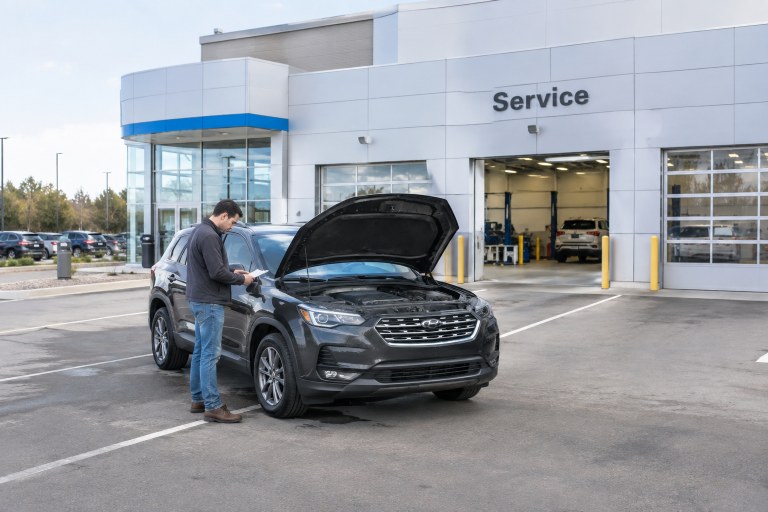
How To Build Strong Repair Records
Create one digital folder for the vehicle and keep original paper copies when possible. Include purchase or lease documents, warranty materials, repair orders, invoices, recall notices, emails, text messages, photos, videos, towing receipts, rental costs, and notes about missed work or interrupted travel. A simple timeline is especially useful. For each event, list the date, mileage, symptom, repair facility, work performed, and result. Clear records are valuable because repair descriptions can vary. “Reduced power,” “hesitation,” and “loss of acceleration” may describe the same continuing experience.
What Repeated Failures May Mean
A repeat visit does not always mean a technician made a mistake. The first repair may have addressed a symptom rather than the root cause, a replacement part may also fail, or more than one related fault may exist. In some cases, the manufacturer later issues updated diagnostic procedures or revised parts. Bring prior repair orders to every appointment and explain that the problem has returned. Ask that the new repair order accurately state the continuing symptom. Avoid accepting vague language if it does not reflect what the vehicle actually did.
Software And Electrical Problems
Technology-related concerns may include screen reboots, warning lights with no obvious mechanical cause, battery drain while parked, camera or navigation failures, charging interruptions, or doors and windows operating unpredictably. These symptoms can have several possible causes so that a diagnosis may require more than a quick visual inspection. Before approving non-covered work, review the written warranty and any service contract terms. The Federal Trade Commission explains that an auto warranty and a separately purchased service contract are different products, and coverage can depend on the contract’s specific terms, mileage limits, and procedures.
When To Stop Driving
Stop driving when continued operation could create an immediate hazard. Examples include smoke, burning odors, overheating, loss of brake response, unexpected steering changes, sudden loss of engine or motor power, fuel leaks, fluid leaks near hot components, or repeated stalling in traffic. Follow any manufacturer instructions that advise owners to park outside, avoid charging, limit operation, or stop driving. If the vehicle cannot be operated safely, arrange towing rather than attempting to drive it to the repair facility.
How To Escalate An Unresolved Issue
- Return to the repair facility and clearly state that the issue remains unresolved.
- Request a written description of the diagnosis and repair attempt.
- Contact the manufacturer’s customer assistance department and request a case number.
- Keep notes of names, dates, promised follow-up, and every communication.
- Submit a safety complaint if the issue may pose a safety risk.
- Review applicable warranty terms and consumer-protection deadlines in your state.
- Seek qualified advice if the problem remains unresolved after reasonable repair efforts.
Common Questions From Vehicle Owners
Does A Recall Mean The Vehicle Is Unsafe To Drive?
Not always. The answer depends on the defect and the manufacturer’s interim instructions. Some recalls permit continued driving until parts are available, while others advise owners to stop using the vehicle or park it.
Can A Dealer Charge For A Safety Recall Repair?
Safety recall remedies are generally provided without charge. Confirm the campaign details with the manufacturer or dealer, particularly if the vehicle was modified or has an unusual ownership history.
What If The Same Problem Returns After A Repair?
Schedule another inspection, document the symptom’s recurrence, and save all related documents. The record of prior visits can help the facility see the full pattern.
Should Owners Keep Records Of Minor Problems?
Yes. Small or intermittent symptoms may help show when a larger issue began or how it changed over time.
Conclusion
New vehicle problems are easier to manage when owners respond methodically rather than relying on memory or assumptions. Check recalls by VIN, report symptoms accurately, preserve every repair document, and treat serious safety warnings with care. Keep track of the vehicle’s mileage, dates of service visits, repairs performed, and how long the vehicle remains unavailable. Photos, videos, diagnostic reports, invoices, and communications with the repair facility or manufacturer can also help create a more complete record. If the issue persists, compare repair visits to determine whether the same concern is recurring or a related problem is developing. A concise timeline and complete records can provide the clarity needed to communicate effectively, review warranty coverage, and determine the most appropriate next step.