
The Connection Between Movement Disorders and Mental Health
Movement disorders are neurological conditions that affect the ability to produce or control body movements. Since these conditions cause either abnormal, involuntary movements or a lack of voluntary movement, the link between these conditions is complex. It involves shared neurobiology, overlapping symptoms, and medication side effects. Here is more information about the connection between movement disorders and mental health:
Shared Mechanisms
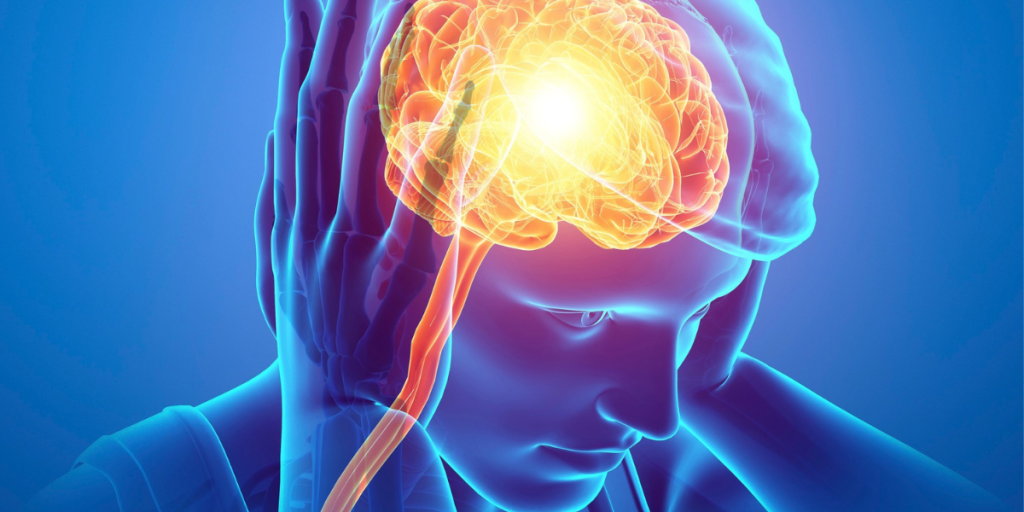
Because brain circuits that control movement also regulate mood and cognition, mechanisms control both functions. These structures use neurotransmitters such as dopamine and serotonin to communicate. Dopamine may play a significant role in motor control and its impact on your daily activities.
Disruptions in these shared pathways contribute to co-occurring conditions. A dopamine deficiency, which is a hallmark of Parkinson’s disease, may be linked to depression. Many individuals experience mood changes before motor symptoms appear. This shows the deep connection between the brain’s motor and mental systems.
The brain’s wiring for movement and mental health is deeply interconnected, and this may indicate that a problem in one area may affect the other. Brain dysfunction is seen in both movement disorders and obsessive-compulsive disorder. This overlap explains why symptoms from both categories can appear together, so understanding this relationship helps with diagnosis. Recognizing these connections allows for more holistic approaches to treatment, addressing both motor and mental symptoms simultaneously.
Overlapped Symptoms
Some symptoms of movement and mental health conditions look very similar. Psychomotor issues may appear in both depression and movement disorders, and this overlap complicates diagnosis and requires careful evaluation from a specialist. The symptoms present in unique ways for each individual.
Apathy and social withdrawal are also typical for both types of conditions. A person with a movement disorder might withdraw because of physical limitations, yet apathy is also a primary symptom of depression. Because finding the root causes of these behaviors is part of a comprehensive assessment, it requires looking at a person’s complete clinical picture.
Prescribed Medications
Some medications used to treat mental health conditions may cause this condition. These are known as drug-induced movement disorders, and they involve repetitive, involuntary movements, such as blinking. Certain antipsychotic medications are a typical cause of this condition. Medications for psychiatric conditions may induce various movement issues. Potential medication-induced movements include:
- Muscle contractions
- Agitation and restlessness
- Tremors and slow movement
Induced Movements
Psychogenic movement issues are another aspect of this connection. These disorders involve abnormal movements that are not caused by a known neurological disease. Instead, they relate to an underlying psychological stressor or condition, though the person is not consciously producing the movements. The movements are involuntary and can be very disabling. Treatment typically involves addressing the psychological factors alongside physical therapy. A comprehensive approach that addresses both physical and mental well-being is beneficial for management.
Get Treated for Movement Disorders
The relationship between movement disorders and mental health is intricate. It involves shared brain pathways, similar symptoms, and similar effects of medication. If you are experiencing symptoms of a movement disorder, seeking a medical evaluation is a recommended next step. Contact a neurology clinic to discuss your symptoms and explore available treatment options for this condition.




news via inbox
Mail us for latest news and updates