
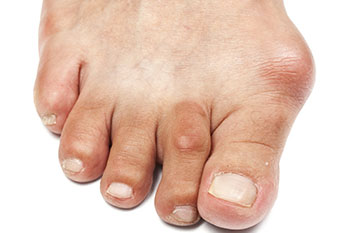
The Connection Between Bunions and Footwear Choices
A bunion is a bony bump at the base of the big toe, and it forms when the toe shifts toward adjacent toes. While factors such as foot structure and genetics play a role in their development, daily footwear choices can also have a significant impact. Understanding how shoes affect your feet is a practical step toward promoting long-term foot health. Here’s information about the connection between bunions and footwear choices:
Understanding Footwear’s Impact
The design of a shoe directly impacts how your foot functions with each step. Footwear that is too tight, narrow, or has a high heel may place pressure on the joints of your feet, including the big toe joint. Shoes with a narrow toe box often squeeze the toes together into an unnatural position. This constant pressure over time may contribute to the misalignment of the big toe joint, which is the main characteristic of a bunion. High heels also shift body weight forward onto the ball of the foot, increasing the strain on the front of the foot and toes. Wearing these types of shoes occasionally may not cause issues, but frequent and prolonged use has the potential to affect foot structure.
Selecting Supportive Footwear Options
Choosing footwear that fits well and supports the natural shape of your foot is a helpful practice for those with bunions. When shopping for new shoes, look for a few key features to promote a better fit. A roomy toe box is a fundamental feature; it allows your toes to lie flat and spread out naturally without being cramped. The toes should move freely inside the shoe.
Finding shoes with good arch support is also helpful; it aids in distributing pressure evenly across the foot rather than concentrating it on one area. A low or flat heel maintains a more natural foot position. This can reduce stress on the ball of the foot, which helps minimize pressure on the bunion.
Applying Shoe Shopping Strategies
Proper footwear selection relies on several factors, including the overall fit. Your feet can change shape and size over time, so it is helpful to measure them periodically. Standard shoe sizing is not always suitable for those with bunions. Here are a few practical tips to keep in mind when purchasing footwear:
- Shop later in the day: Feet naturally swell and expand throughout the day. Shopping for shoes in the afternoon or evening can help you find a more accurate and comfortable fit.
- Fit your larger foot: Some people have one foot that is slightly larger than the other. Fit your shoes to your larger foot to avoid tightness and discomfort.
- Focus on overall fit: A shoe should feel comfortable from the start, so don’t rely on a “breaking-in” period for a shoe to become comfortable. Make sure there is about half an inch of space between your longest toe and the end of the shoe.
Making thoughtful decisions about your footwear is a practical and effective way to support foot health. By choosing shoes that provide adequate space and support, you help reduce unnecessary pressure on your feet and joints. This approach protects existing bunions from worsening, and it can prevent the development of additional foot deformities.
Get Professional Treatment for Bunions
Selecting proper footwear helps reduce strain on the big toe joint, and this encourages overall foot health. A foot and ankle specialist can provide additional treatment options, such as specialized exercises and custom orthotics. Schedule a consultation with a foot specialist to evaluate your bunions and receive personalized recommendations.




news via inbox
Mail us for latest news and updates