
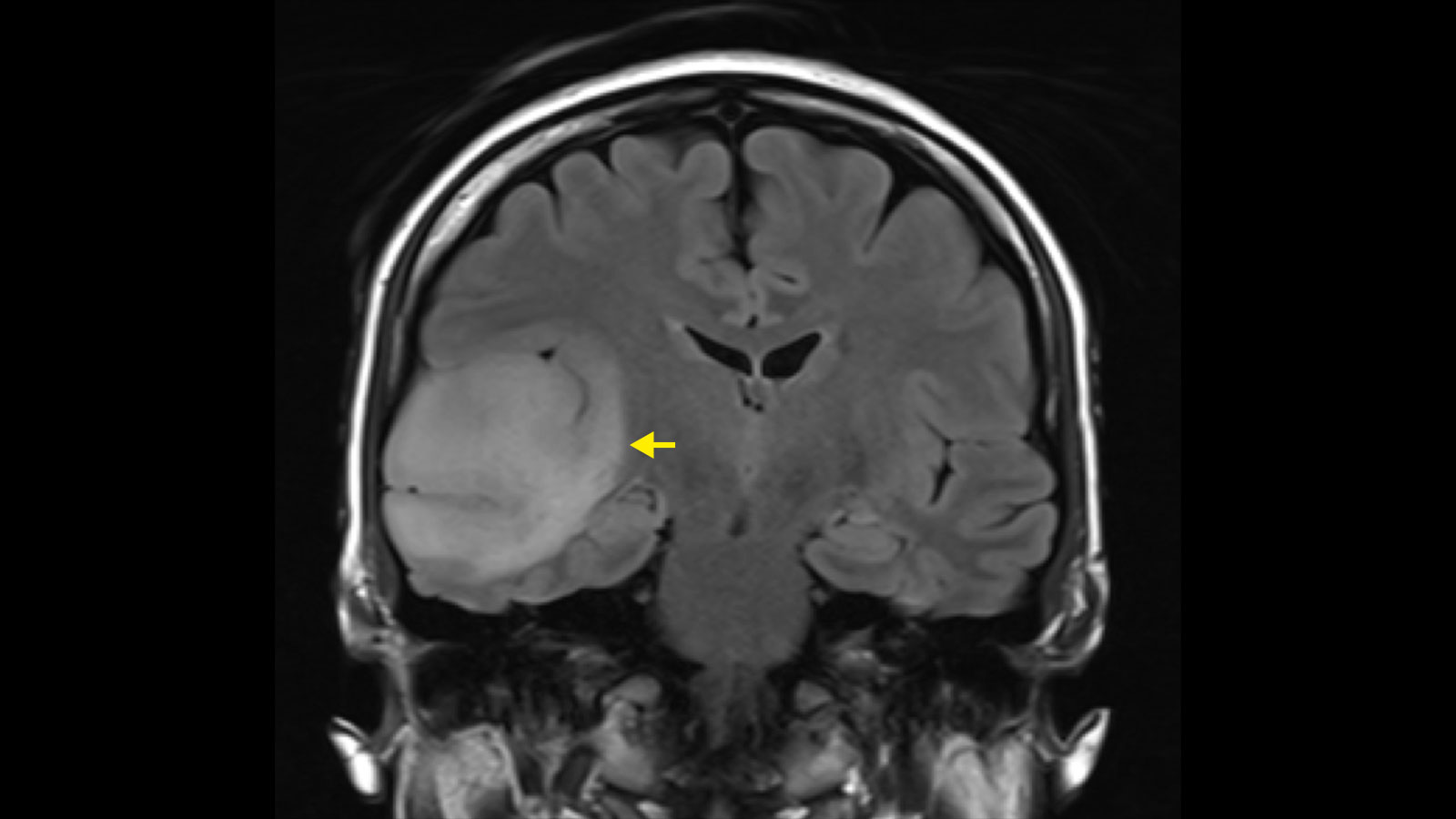
Brain Cancer Treatment Options
Navigating a brain cancer diagnosis requires understanding the available treatment options. Each approach is designed to manage or eliminate cancerous cells. Medical teams take into account multiple factors before recommending a specific course of action.
Surgery
Surgery is the initial step in a brain cancer treatment plan, with the primary goal of removing as much of the tumor as safely as possible. The extent of the procedure depends on the tumor’s size, type, and location. While complete removal is the goal, it is not always possible if the cancer is near viable brain structures. Because of that reason, surgery is often combined with other therapies to address any remaining cancer cells.
Radiation Therapy
Radiation therapy utilizes high-energy beams, such as X-rays or protons, to target and destroy cancer cells. This treatment can be directed at a specific area of the brain, minimizing exposure to surrounding healthy tissue. Radiation may be administered as a primary treatment or used after surgery to eliminate residual tumor cells. Sometimes it is combined with chemotherapy to enhance its effectiveness.
Chemotherapy
Chemotherapy utilizes powerful drugs to kill cancer cells or inhibit their growth and division. There are several things to take into account for its use in treating brain cancer, such as:
- Administration: Chemotherapy medications can be taken orally or administered intravenously. This allows them to circulate throughout the body, targeting cancer cells that may have spread.
- The Blood-Brain Barrier: Treating brain cancer with chemotherapy can be complex due to the blood-brain barrier. This natural defense system protects the brain but can also prevent chemotherapy drugs from reaching the tumor.
- Specialized Delivery: To overcome this challenge, physicians may select specific drugs known to cross the barrier or deliver the medication directly into the cerebrospinal fluid.
Targeted Therapy
Targeted therapy is a cancer treatment that uses drugs to target specific molecular features within cancer cells. Targeted drugs focus only on the abnormalities driving tumor growth. This precision often leads to fewer side effects, offering a more tolerable option for many patients.
Physicians use these therapies for advanced or recurrent cancers that have specific genetic markers. Because of their personalized nature, they can disrupt cancer progression. Targeted therapy offers an evolving option for patients with hard-to-treat cancers.
Immunotherapy
Immunotherapy takes an innovative approach by using the body’s immune system to identify and attack cancer cells. This treatment boosts the immune system’s natural defenses, helping it recognize and fight brain cancer more effectively. Immunotherapy methods include:
- Checkpoint inhibitors: These drugs remove the natural “brakes” on the immune system, allowing immune cells to attack cancer more effectively.
- Therapeutic vaccines: These vaccines stimulate the immune system to launch an attack against the tumor.
Take the Next Step in Brain Cancer Treatment
Understanding the available therapies is a part of managing a diagnosis. By working closely with a specialized medical team, patients can develop a comprehensive and personalized treatment plan that addresses their diagnosis of brain cancer. It can be helpful to consult with a specialist to discuss your options and explore which may be right for you.



news via inbox
Mail us for latest news and updates