
The Role of Nutrition in Managing Depression
Feeling down can make it challenging to maintain healthy eating habits. Yet, the foods we eat play a role in how our brains function. Exploring the connection between nutrition and mental well-being offers insights into managing symptoms of depression. Here is some information on how nutrition may affect your mood, whether diet helps with depression symptoms, and which foods you might want to limit.
How Does Nutrition Affect Mood?
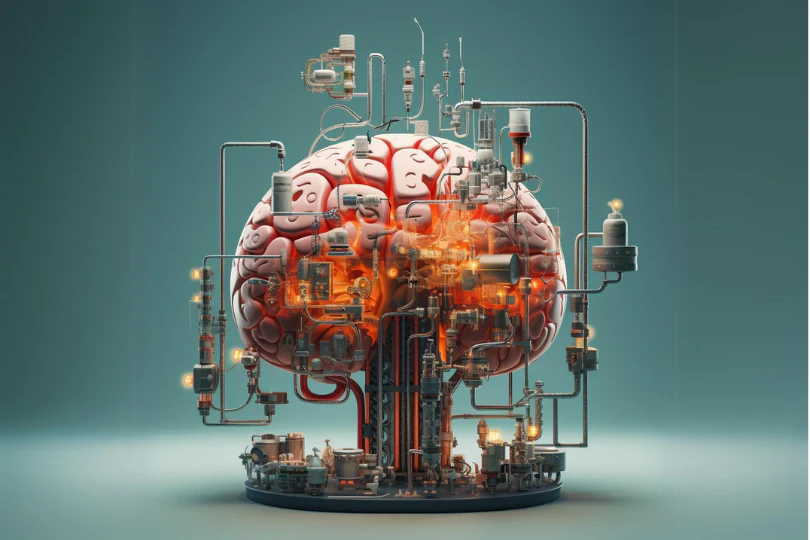
The food you eat directly impacts how your brain functions and, in turn, how you feel. Think of your brain as an engine that runs 24/7. It needs consistent, high-quality fuel to perform its best. The type of food you choose can significantly affect its performance. A diet rich in diverse nutrients supports your brain, while one lacking these building blocks may hinder its capabilities.
Here’s why what you eat matters for your mood:
- Fuel for your brain: Your brain constantly needs energy, which it gets from the food you consume. Good fuel means better brain function.
- Neurotransmitter production: Specific vitamins and minerals are key for creating neurotransmitters—the chemical messengers that transmit signals in your brain. B vitamins help produce serotonin, a key neurotransmitter for mood regulation.
- Brain structure and function: A balanced diet provides the components your brain needs to maintain its health and operate optimally.
By understanding this connection, you can make informed choices to support your mental well-being through your diet.
Does Diet Reduce Depression Symptoms?
Research has explored the link between dietary patterns and the risk of depression. Some studies suggest that diets high in fruits, vegetables, whole grains, and lean proteins are associated with lower rates of depression. These eating patterns, like the Mediterranean diet, are rich in nutrients that support overall health, including brain health.
Making changes to your diet is a practical step to take to improve your health. Focusing on whole foods provides a range of vitamins, minerals, and antioxidants. These compounds help protect the brain from oxidative stress, a process that may damage cells. While diet alone is not a cure for depression, adopting a nutrient-dense eating plan can be a supportive component of a broader management strategy.
What Foods Should You Avoid?
Just as some foods support brain health, others may have a less positive effect. Diets high in processed foods, sugar, and unhealthy fats have been linked to a higher likelihood of experiencing depressive symptoms. These foods can cause rapid spikes and crashes in blood sugar levels, which impact your energy and mood. Limiting your intake of certain items may be beneficial.
Here are a few types of foods you might want to reduce:
- Sugary Drinks and Snacks: Sodas, candies, and pastries offer little nutritional value. They can lead to sharp changes in blood sugar that may leave you feeling tired and irritable after an initial energy boost.
- Processed Foods: Items like fast food, packaged meals, and processed meats often contain high levels of sodium, unhealthy fats, and artificial additives. These can contribute to inflammation in the body, which some research has connected to depression.
- Refined Grains: White bread, white rice, and many breakfast cereals have been stripped of their fiber and nutrients. They are digested quickly, which impact blood sugar levels like sugary snacks.
Choosing whole, unprocessed foods more often can help you avoid these potential dietary pitfalls. Small adjustments, such as swapping a sugary soda for water or opting for whole-wheat bread over white, can make a significant difference over time.
Consult a Specialist
If you are struggling with your mental health, it is best to seek guidance from a qualified professional. A doctor or a registered dietitian can offer personalized advice tailored to your specific needs and health status. They can help you create a safe and effective plan to support your well-being. Reaching out for professional support is a positive step toward managing your health.




news via inbox
Mail us for latest news and updates