
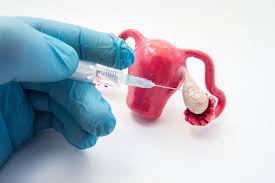
The Science Behind Successful Insemination
Understanding the science behind successful insemination involves exploring the processes and factors that contribute to achieving pregnancy. The intricate interplay of timing, biology, and technology forms the foundation of effective methods. This article will examine how these variables work together to improve outcomes.
Factors Influencing Success
Timing and Ovulation
Timing is one of the key components of successful insemination. Ovulation, the release of a mature egg from the ovary, is the ideal window for fertilization to occur. The egg remains viable for approximately 12-24 hours after ovulation. To maximize the chances, insemination should align closely with this fertile period. Tools like ovulation predictor kits and ultrasound monitoring aid in pinpointing this window, improving timing precision.
Sperm Quality
Sperm quality also plays a role in successful insemination. Factors such as motility, morphology, and overall count determine the ability of sperm to reach and fertilize the egg. A semen analysis can assess these criteria and provide insights into potential barriers to success.
Lifestyle factors influence sperm quality and fertility potential. Proper nutrition helps the body receive vitamins and minerals that aid in healthy sperm production and function. Harmful substances, such as excessive alcohol and recreational drugs, should be avoided as these tend to lead to oxidative stress and DNA damage in sperm cells.
Uterine Environment
The condition of the uterine environment is another factor. The uterus should be capable of supporting implantation and promoting the development of an embryo. A healthy uterine lining, free of abnormalities such as polyps or fibroids, increases the likelihood of success. Doctors evaluate the uterine cavity with imaging techniques to make sure optimal conditions exist for insemination.
Methods to Improve Outcomes
Proper Technique in Artificial Insemination
Artificial insemination methods like intrauterine insemination (IUI) involve placing sperm directly into the uterus using a catheter. This procedure bypasses potential barriers such as cervical mucus, enhancing the likelihood of fertilization. To increase success, sperm are often “washed” to select the most motile and viable cells. Advanced techniques also aid in accurate placement and reduce discomfort during the procedure.
Individualized Treatment Plans
Each individual or couple’s circumstances differ, making customized treatment plans key. Factors such as age, medical history, and underlying fertility challenges shape the approach used. The initial evaluation may include hormonal testing, imaging studies, and analysis of reproductive health. Based on these findings, healthcare providers can recommend oral or injectable medications to regulate ovulation or timed insemination procedures.
Monitoring and Guidance
Regular monitoring during the insemination process improves outcomes. Ultrasound technology allows clinicians to track follicular development and ovulation timing accurately. Hormonal levels, such as luteinizing hormone (LH) and estrogen, are also monitored to identify the best moment for insemination.
Advancements in Technology
Modern technology continues to refine the insemination process. Innovations like more sensitive sperm preparation techniques, advanced ultrasound equipment, and cutting-edge analytics improve precision and success rates. These advancements align with ongoing research to continually enhance available procedures.
Insemination Consultation
Understanding the science behind this insemination process offers clarity and confidence. Consulting with experienced fertility specialists is a way to receive a personalized plan tailored to your unique needs. To learn more about available options and how to begin your journey, make an appointment with a specialist today.




news via inbox
Mail us for latest news and updates