
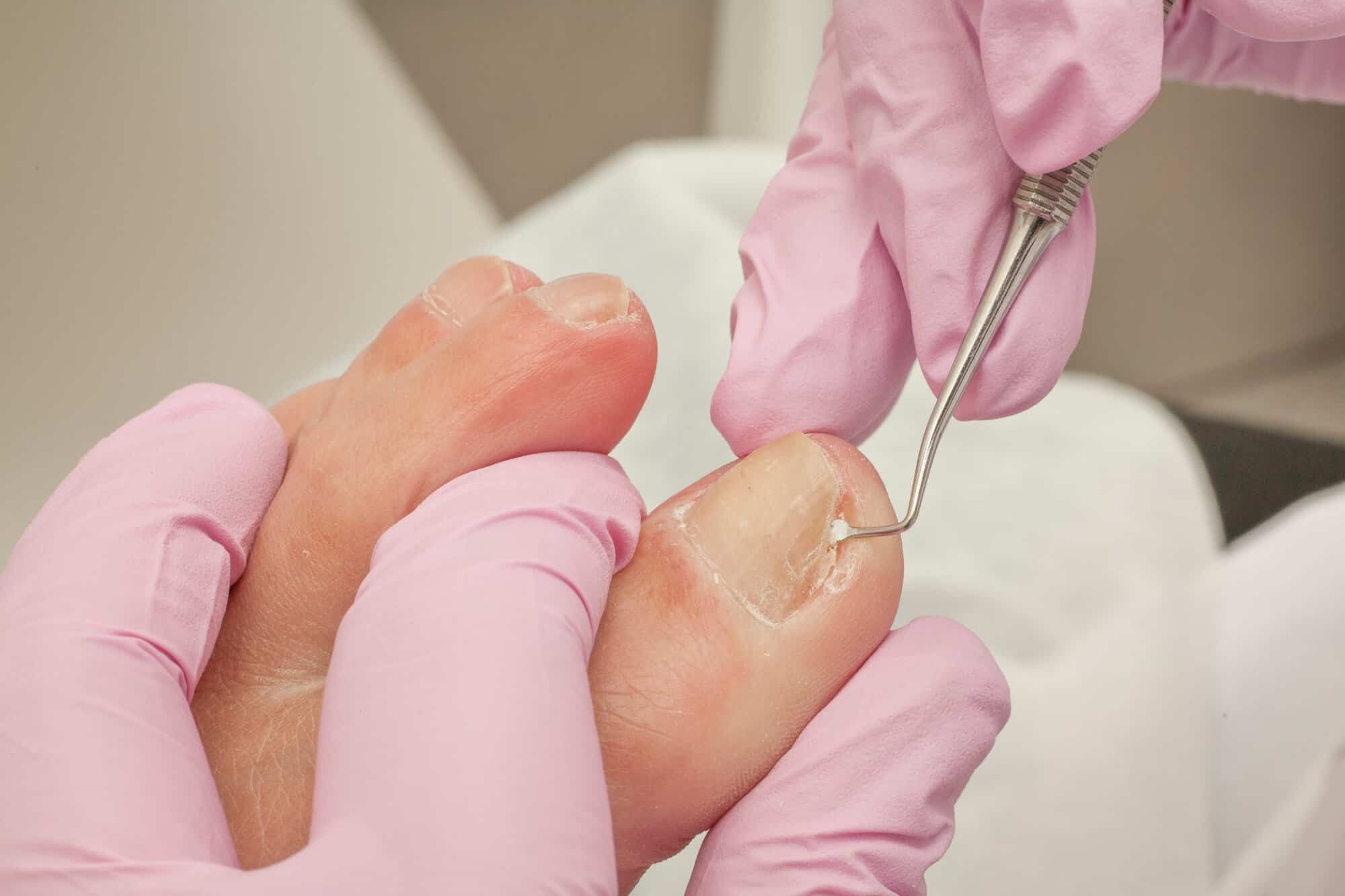
Prevention and Care Techniques for Ingrown Toenails
An ingrown toenail is a common condition affecting people of all ages. It occurs when the edge or corner of a toenail grows into the soft flesh of the toe, leading to discomfort, redness, and swelling. While often manageable at home, ingrown toenails can sometimes lead to complications that require professional attention.
What Are Ingrown Toenails?
Ingrown toenails happen when a portion of the nail plate pierces the surrounding skin. This penetration can cause inflammation, pain, and sometimes infection. The body reacts to the nail as a foreign object, initiating an inflammatory response. This response is characterized by swelling and tenderness along the side of the nail.
If the area becomes infected, the symptoms may intensify. Signs of infection include increased pain, pus drainage, and warmth in the affected toe. While many ingrown toenails can be addressed with simple care, individuals with certain health conditions, such as diabetes or poor circulation, may face a higher risk of complications and should seek medical advice promptly.
What Causes Them?
Several factors contribute to the development of ingrown toenails. One of the most frequent causes is improper nail trimming. Cutting toenails too short or rounding the edges encourages the skin to fold over the nail, allowing the nail to grow into it. Straight-across trimming helps the nail grow forward without digging into the adjacent skin.
Footwear also plays a significant role. Shoes that are too tight or narrow can crowd the toes, pressing the nail against the skin. This constant pressure can force the nail to grow abnormally. Physical injury, such as stubbing a toe or dropping a heavy object on it, can lead to the formation of an ingrown toenail.
What Techniques Prevent and Treat Them?
Prevention focuses on adopting proper foot hygiene and habits. Trimming toenails straight across and keeping them at a moderate length, where the nail is even with the tip of the toe, is a primary preventive measure. Wearing shoes that fit correctly is another key step. Footwear should provide ample room in the toe box, allowing the toes to lie flat and not be compressed. For daily wear, select shoes that are comfortable and supportive.
For an existing ingrown toenail without signs of infection, home care may provide relief. Soaking the affected foot in warm water a few times a day can soften the skin and reduce swelling. After soaking, gently lifting the edge of the ingrown nail and placing a small piece of cotton underneath can help guide the nail to grow above the skin edge. The cotton should be changed daily.
Speak With a Foot Specialist
While home care is often sufficient for minor cases, professional medical evaluation is recommended if symptoms persist or worsen. A podiatrist, a specialist in foot care, can assess the condition and determine the appropriate course of action. A foot specialist can offer various procedures to address a recurring or severe ingrown toenail. These may range from simply lifting the nail to performing a minor surgical procedure to remove the offending portion of the nail.




news via inbox
Mail us for latest news and updates