How To Prepare for a GLP-1
Starting a new health plan can bring up many questions. If your healthcare provider has discussed GLP – 1 therapy with you, understanding what it is and how to prepare can make the process feel more manageable. Taking proactive steps can help you adjust to this new part of your health journey.
What Is GLP – 1 Therapy?
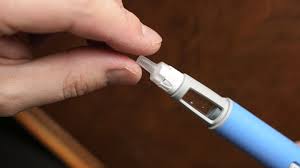
GLP – 1 receptor agonists are a specific class of medications used in healthcare. The name is an abbreviation for glucagon-like peptide-1, which is a naturally occurring hormone that your body produces to help regulate key functions. These medications are carefully designed to mimic the action of this natural hormone, which helps manage both your appetite and your blood sugar levels.
When you begin this type of therapy, the medication works in harmony with your body’s own systems to achieve its effects. It’s not introducing a foreign process but rather enhancing a natural one. A healthcare professional can provide a detailed explanation of the specific actions of the medication prescribed for you, as different types may vary slightly. By understanding the basic function of a GLP – 1 medication, you can build a solid foundation for navigating the physical and lifestyle changes you may experience.
How Should You Prepare?
Preparing your mind and body can support your transition to GLP – 1 therapy. A few adjustments to your daily routine may help you manage the physical and lifestyle shifts that may occur. You can take several steps to get ready. These actions focus on stocking your kitchen with supportive foods and understanding your body’s needs.
- Hydrate frequently: Keep a water bottle with you throughout the day to sip regularly. Proper hydration is a cornerstone of overall wellness.
- Stock nutrient-dense foods: Fill your pantry and refrigerator with items like lean proteins, vegetables, and whole grains. Having these on hand makes meal preparation simpler.
- Plan for smaller meals: Since GLP – 1s can affect appetite, your eating patterns might change. Preparing to eat smaller, more frequent meals can be a helpful adjustment.
By taking these preparatory steps, you establish a supportive environment for yourself. This proactive approach allows you to focus on your health and well-being as you start the therapy.
Which Habits Support Success?
Developing consistent habits can complement your therapy. These practices are about creating a structured routine that aligns with your health goals. Small, consistent daily actions can make a noticeable difference in your experience.
- Mindful eating
- Consistent physical activity
- Regular sleep schedule
- Keeping a health journal
These habits help create a predictable routine for your body. Tracking your progress and feelings in a journal can provide useful information to share with your healthcare provider, helping to tailor your plan over time.
Consult a Specialist
GLP – 1 therapy is a collaborative process with your healthcare team. They possess your full medical history and can provide guidance tailored specifically to you. Open communication with your provider will help you navigate the process effectively. Schedule an appointment to discuss your personal health goals and any questions you may have about starting this therapy.



news via inbox
Mail us for latest news and updates