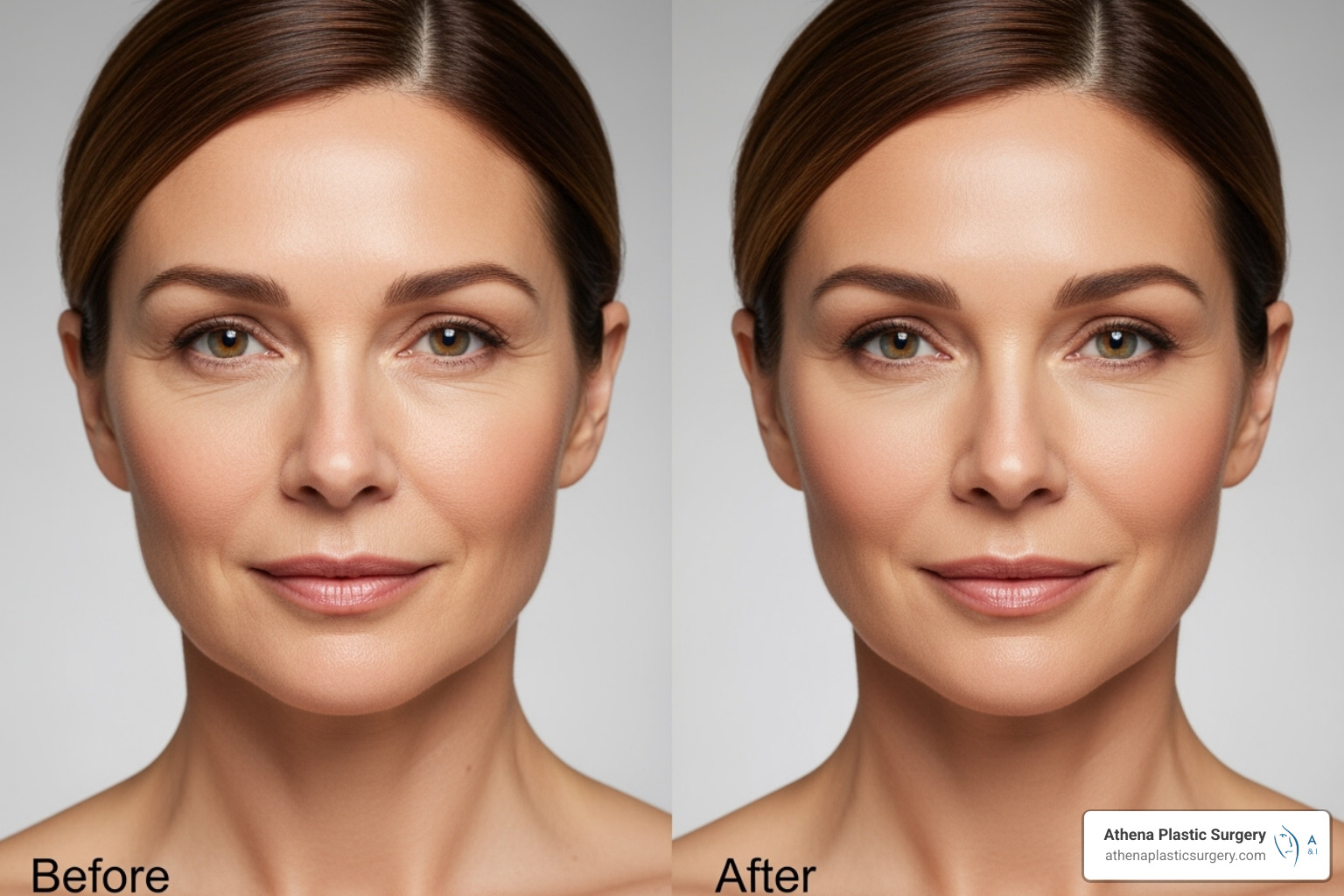
Facial plastic surgery includes procedures aimed at altering or restoring facial structure. They are often performed for aesthetic enhancement, reconstructive purposes, or to address issues resulting from injury or aging. Specialized surgeons use a range of techniques to modify specific areas of the face, leading to outcomes that can affect both appearance and facial harmony.
Rhinoplasty
Rhinoplasty, commonly referred to as a “nose job,” is a plastic surgery procedure that modifies the shape and structure of the nose. The objective of rhinoplasty can be to change the size of the nose, alter the angle in relation to the upper lip, reshape the tip or the bridge, or narrow the span of the nostrils. Beyond aesthetic modifications, this procedure can also correct structural defects that may impede breathing.
Surgeons perform rhinoplasty using one of two primary techniques: open or closed. In a closed rhinoplasty, the surgeon makes incisions inside the nostrils, which conceals any resulting scars. In an open rhinoplasty, the surgeon makes an incision across the columella. This approach allows for greater access to the nasal structures, which can be useful for more extensive reshaping. The surgeon then sculpts the bone and cartilage beneath the skin to achieve the desired new shape. Following the procedure, a splint is typically placed on the nose to support and protect the new structures.
Chin Implants
Chin augmentation is a procedure that enhances the chin’s shape and projection using an implant. The surgeon creates a pocket in front of the chin bone and beneath the muscle to place the implant. Implants are constructed from materials and are available in various shapes and sizes to fit the patient’s anatomy. The surgery is usually performed on an outpatient basis and aims to provide a stronger, more defined chin and improve facial balance.
Facelift
A facelift is a surgical procedure designed to address visible signs of aging in the face and neck. As people age, skin and soft tissues lose elasticity, leading to the formation of jowls, deep creases, and a general sagging appearance. A facelift addresses these changes by repositioning the underlying tissues and removing excess skin, resulting in a smoother and more youthful facial contour.
There are several variations of the facelift procedure, each targeting different areas of the face. A traditional facelift involves incisions that typically begin in the hairline at the temples, continue around the ear, and end in the lower scalp. The surgeon lifts and repositions the deeper facial tissues, known as the SMAS layer. The surgeon then redrapes the skin over the newly uplifted contours. Excess skin is trimmed away. This comprehensive approach can address sagging in the mid-face, jowls, and neck. The recovery period involves swelling and bruising, which gradually subsides to reveal the final results.
Seek Professional Plastic Surgery
Navigating the world of facial plastic surgery requires careful examination. Selecting a qualified and experienced plastic surgeon is fundamental to the process. During a consultation, the surgeon will evaluate your facial anatomy and discuss what can realistically be achieved. A responsible medical professional will guide you through this process. They can provide clear information to help you manage your expectations and prepare for the surgery and subsequent recovery.