
Everything You Need to Know About Asbestlint (Asbestos Tape): Uses, Risks & Safe Removal
Discover what asbestlint (asbestos tape) is, how it was used, the health risks it poses, and how to identify, remove, and replace it safely with modern, non-toxic alternatives.
also read: https://theplaycentreorg.com/ginia/
What Is Asbestlint?
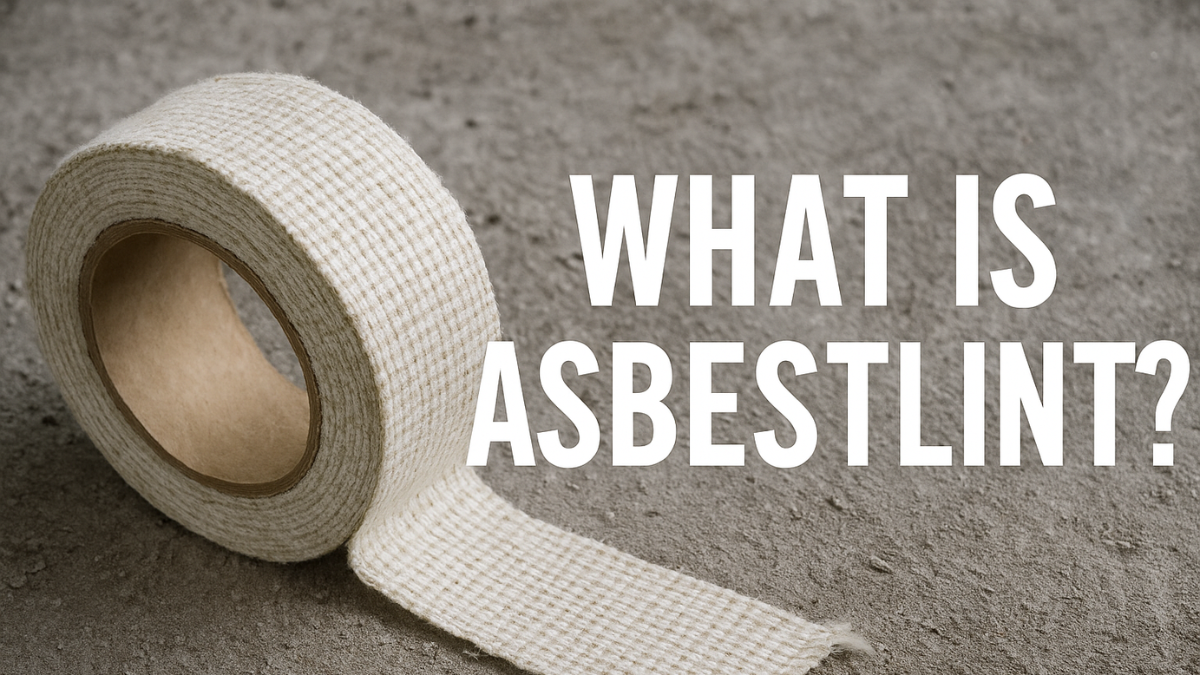
Asbestlint, also known as asbestos tape, is a material made with asbestos fibers woven or pressed into a tape-like form. It was widely used in construction and industrial settings throughout the 20th century, primarily because of its excellent heat resistance and insulation properties.
The tape was commonly applied around pipes, boilers, HVAC systems, furnaces, chimneys, and ducts, acting as an insulating and sealing material. However, over time and with exposure to wear, the asbestos fibers can loosen and become airborne — posing serious health hazards when inhaled.
Why Was Asbestlint Used?
When asbestos materials first became popular, they were seen as revolutionary due to their durability, versatility, and low cost. Asbestlint, in particular, gained widespread use for several reasons:
- Excellent Heat Resistance – Asbestos can withstand very high temperatures, making it suitable for wrapping around hot pipes and furnace joints.
- Strong Insulating Power – It prevented heat loss and protected workers from burns.
- Chemical Stability – Asbestlint didn’t corrode easily, even in harsh industrial environments.
- Durability – It maintained its strength and flexibility over many years.
- Low Cost and Easy Availability – During its peak years, asbestos was inexpensive to produce and widely distributed.
Despite its advantages, the long-term effects of asbestos exposure were not well understood until later — when health studies revealed its severe risks.
Dangers and Health Risks of Asbestlint
When asbestlint ages or becomes damaged, it releases microscopic asbestos fibers into the air. These fibers can remain suspended for hours or even days, and once inhaled, they can lodge in the lungs, leading to chronic and often fatal diseases.
Major Health Risks Include:
- Asbestosis: A chronic lung disease that causes scarring of lung tissue, leading to breathing difficulties.
- Lung Cancer: Exposure to airborne asbestos fibers greatly increases the risk of lung cancer, especially among smokers.
- Mesothelioma: A rare but aggressive cancer affecting the lining of the lungs or abdomen.
- Pleural Plaques and Thickening: Non-cancerous but painful conditions that affect the lung lining.
Since asbestos-related diseases can take 20–40 years to develop, early detection and prevention are critical.
How to Identify Asbestlint
Recognizing asbestlint isn’t always easy without lab testing, but several visual and contextual clues can help:
Visual Clues
- Usually white, gray, or off-white, sometimes woven like fabric.
- May look powdery, cracked, or frayed with age.
- Often found wrapped around metal pipes or insulation joints.
Common Locations
- Old boilers, furnaces, and heating ducts.
- Industrial equipment joints and chimneys.
- Buildings constructed before the 1990s are more likely to contain it.
Professional Testing
For complete certainty, it’s essential to get a professional asbestos inspection. Certified labs analyze small samples under microscopes to confirm the presence of asbestos fibers.
Handling and Removal of Asbestlint
Removing or repairing asbestlint must be done with great caution. Improper handling can release large amounts of asbestos dust.
Step 1: Risk Assessment
Before touching anything, hire a certified asbestos assessor to evaluate the condition of the tape.
Step 2: Decide — Remove or Leave It in Place
- Leave it in place if the material is intact and undisturbed.
- Remove it if it’s damaged, crumbling, or in an area being renovated.
Step 3: Safe Removal Guidelines
- Keep the area wet to reduce dust.
- Wear HEPA-rated respirators, gloves, and disposable suits.
- Seal off the work area with plastic sheeting and warning signs.
- Place all waste in sealed, labeled asbestos disposal bags.
- Do not vacuum or sweep — use wet cleaning methods only.
Step 4: Replacement Materials
Modern, non-asbestos alternatives can safely replace asbestlint, such as:
- Aluminum or glass-fiber tapes for heat insulation.
- High-temperature PTFE or silicone tapes.
- Ceramic fiber sealing materials for industrial uses.
These substitutes offer similar performance without endangering health.
Legal Regulations for Asbestlint
Most countries now ban or heavily restrict the use of asbestos materials, including asbestlint. Regulations focus on safe management, removal, and disposal.
Key Legal Points
- Only licensed asbestos contractors can remove asbestos materials.
- Asbestos waste must be sealed, labeled, and disposed of at approved facilities.
- Employers must conduct risk assessments and provide worker training and protective equipment.
- Renovation or demolition projects require an asbestos survey report before work begins.
Violating asbestos regulations can result in fines, lawsuits, or criminal penalties.
Comparison: Asbestlint vs. Modern Alternatives
| Feature | Asbestlint (Asbestos Tape) | Modern Non-Asbestos Alternatives |
|---|---|---|
| Heat Resistance | Excellent | Excellent |
| Health Risk | Extremely High | None |
| Durability | Degrades Over Time | Highly Durable |
| Safety | Dangerous if disturbed | Safe to handle |
| Cost | Cheap historically | Slightly higher but safer |
| Legal Status | Banned in most countries | Fully approved |
As seen above, the advantages of asbestlint are easily outweighed by the health risks and legal complications associated with its use.
Case Example: Asbestlint in an Old HVAC System
During a 1970s office building renovation, engineers discovered asbestlint wrapped around ventilation duct joints. The material had deteriorated, releasing fine dust into air vents.
Specialists sealed the area, removed the tape under negative air pressure, and replaced it with high-temperature aluminum tape reinforced with glass fibers. Air tests after the project showed zero asbestos contamination — a safe and compliant outcome.
This example highlights the importance of identifying and replacing asbestlint before it becomes a health hazard.
Homeowner and Building Owner Tips
If you suspect your home or building contains asbestlint, take these precautions:
- Do not disturb the material — avoid touching, scraping, or cutting it.
- Contact a licensed asbestos inspector to test samples.
- Seal off the affected area if fibers might become airborne.
- Hire certified removal professionals rather than DIY methods.
- Use safe replacement materials such as fiberglass or silicone tapes.
- Keep documentation of inspection and removal for insurance and compliance purposes.
Acting early protects both your health and property value.
Frequently Asked Questions About Asbestlint
- Can asbestlint still be found in modern buildings?
Rarely, but some older installations may still contain it. Always check before renovation. - Can painting over asbestlint make it safe?
Coating can temporarily seal fibers, but damage later may still release them. - How long does asbestlint remain dangerous?
As long as it exists — asbestos fibers do not degrade naturally. - Is short-term exposure dangerous?
Even brief exposure can be harmful, though risk increases with duration and amount. - Can I test asbestlint myself with a kit?
DIY kits exist but are not as accurate or safe as professional testing. - What should I do if I accidentally touched asbestlint?
Wash thoroughly, leave the area, and avoid creating dust; contact an expert for advice. - Is asbestlint banned worldwide?
It’s banned in most developed countries, though some regions still allow limited industrial use. - Does asbestos smell or have a specific texture?
No — it’s odorless and usually feels fibrous or cloth-like. - How expensive is professional asbestos removal?
Costs vary but typically range from a few hundred to several thousand dollars depending on the job size. - What happens if asbestos waste isn’t disposed of properly?
Illegal disposal can cause contamination and lead to heavy legal penalties.
Conclusion
Asbestlint was once a valuable industrial material, prized for its insulation and heat resistance. Today, however, it’s recognized as a serious health hazard that can cause life-threatening diseases if mishandled.
Identifying and safely managing asbestlint is essential for homeowners, builders, and property managers. Always rely on certified professionals, follow safety regulations, and replace old asbestos materials with modern, safe alternatives.
By taking proper precautions, you protect not only your building’s integrity but also the health of everyone inside it.




news via inbox
Mail us for latest news and updates