
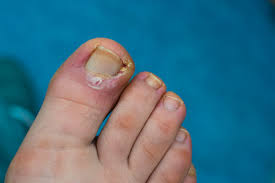
Common Causes and Treatments for Ingrown Toenails
An ingrown toenail occurs when the edge of your toenail grows into the surrounding skin, and it typically affects the big toe. While it is a standard foot issue, it can cause significant discomfort, redness, and swelling at the site. Understanding its causes and treatment options is the first step toward finding relief. Here are some of the causes of ingrown toenails and treatment options that are typically available:
Ingrown Toenail Causes
Several factors may lead to an ingrown toenail, and this condition can disrupt your routine. Cutting your toenails too short can encourage the skin to fold over the nail, and tight-fitting shoes or socks that crowd your toes can also be a cause. Since these items place pressure on your toenails, they grow into the skin. An injury to the toe or having unusually curved toenails are additional risk factors.
Antibiotic Creams
If an ingrown toenail becomes infected, a doctor might prescribe a topical antibiotic. You apply the cream directly to the affected area, and it works to fight the bacterial infection. Using antibiotic creams helps manage the infection, although it does not fix the underlying nail problem. Proper application as directed by a healthcare professional is necessary for the treatment to be effective.
An infected ingrown toenail may show signs like increased pain, pus, and spreading redness. Before recommending a course of action, a medical professional evaluates the infection. This evaluation helps determine the appropriate treatment, and it is based on your specific situation.
Keep the area clean and dry to support the healing process. Following your doctor’s instructions on wound care prevents complications, and it is a key part of managing the infection. While you use the prescribed cream, this approach may prevent the infection from worsening.
Corrective Splints
A corrective splint is a non-surgical option for mild-to-moderate cases. The splint lifts the edge of the toenail away from the skin, which allows it to grow out correctly. This small device is placed under the nail’s edge, and it helps guide the nail’s growth path over time. While avoiding surgery, corrective splints offer a way to manage the issue in these ways:
- Lifts the toenail to prevent it from digging into the surrounding skin.
- Helps reduce pressure and discomfort caused by the ingrown nail.
- Encourages proper nail growth by guiding the nail’s direction.
- Minimizes the risk of infection by preventing further skin irritation.
- Provides a non-invasive, manageable solution for mild-to-moderate cases.
Partial Toenail Removal
For recurring or severe ingrown toenails, a doctor may suggest a partial toenail removal. This minor surgical procedure is performed in a clinical setting. After numbing the toe, the doctor removes the portion of the nail that is growing into the skin.
This procedure provides a more permanent solution for persistent ingrown toenails. The doctor might also treat the nail matrix, which is the area where the nail grows from. This step is done to prevent that section of the nail from growing back and causing future problems.
Get Treated for Ingrown Toenails
Managing an ingrown toenail properly helps prevent complications like infection. There are several ways to address this painful condition. Seeking a professional evaluation is a good step toward finding the right solution for you. Contact a foot specialist today to schedule an appointment.




news via inbox
Mail us for latest news and updates