
The Long-Term Effects of Untreated Bunions
Bunions may start as minor cosmetic issues or small sources of discomfort, but they sometimes progress, causing more significant problems. These foot deformities cause structural changes that affect mobility, footwear choices, and overall quality of life. Here’s some information about bunions and their long-term effects if left untreated:
Understand How Bunions Develop
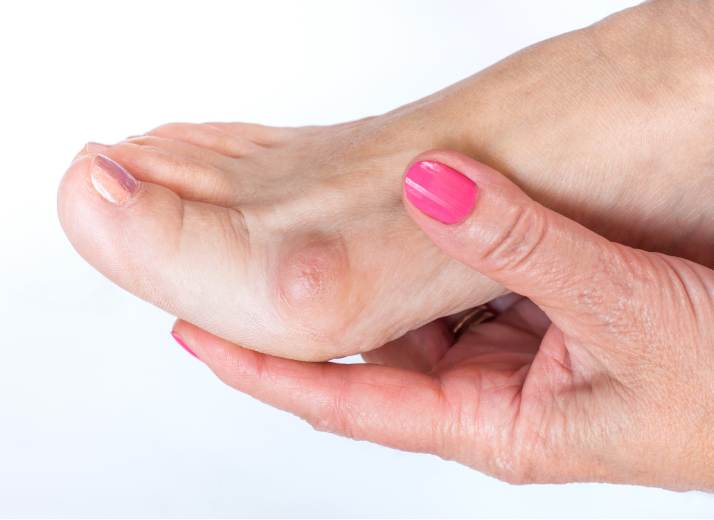
A bunion, or hallux valgus, is a bony bump that forms on the side of the big toe. It’s caused when some of the bones in the front part of the foot shift out of place. This movement pulls the top of the big toe toward the smaller toes, and it forces the joint at the base of the big toe to stick out. You might notice the skin over the bunion becoming red and sore. Bunions are frequently related to the inherited shape of your foot. If your foot structure makes you prone to developing them, wearing constrictive footwear may aggravate the condition. Recognizing that a bunion is a structural shift, not just a skin growth, is key to understanding why they tend to progress rather than resolve on their own.
Recognize Early Warning Signs
One of the key long-term effects of letting a bunion go untreated is the gradual development of discomfort. You may not feel any pain at first. Gradually, though, as your big toe shifts further inward, the bump grows more noticeable. This extra width can make it hard to find shoes that fit comfortably, and it causes friction and pressure in everyday footwear.
Repeated rubbing from shoes leads to ongoing soreness and swelling. The joint itself may turn stiff and achy, even when you’re barefoot. This discomfort starts to limit how long you stand or walk; it leads to shifts in your daily habits and a reduced activity level.
Assess Ongoing Structural Changes
As a bunion grows larger, it changes the way your foot functions. Your big toe plays a fundamental role; it offers balance and helps you push off the ground with each step. When this toe becomes misaligned, it loses effectiveness in supporting your stride. To adjust, you may unconsciously shift your weight to different parts of your foot. This shift in mechanics leads to discomfort in the ball of the foot. Your altered walking pattern can place extra stress on your ankles, knees, hips, and lower back. What begins as a single issue with your foot has the potential to contribute to aches and pains throughout your body’s movement system.
Examine Effects on Toes
The big toe does not function alone; it shares space and movement with four other toes. As a bunion becomes worse, the big toe leans more toward the second toe. It may eventually slide beneath or over that neighboring toe. This increased crowding adds pressure, sometimes forcing the second toe out of position and creating a pathway for hammertoes to develop.
Hammertoes are deformities where the toe curls downward rather than lying flat. This change creates new pressure points, and this may cause corns and calluses on the tops or between the toes. Managing more than one foot deformity at once is more complex than addressing a single bunion early on.
Address Worsening Footwear Issues
While it can feel minor compared to physical pain, the struggle to find shoes that fit comfortably becomes a key practical challenge as bunions go untreated. The widening of the foot at the joint turns standard shoe sizes into a tight squeeze. Choosing shoes several sizes too large to make room is not consistently helpful, and it may lead to new issues like tripping or poor arch support. This difficulty with footwear has the potential to limit your ability to join sports, attend special occasions, or locate suitable shoes for work.
Resolve Bunions Early
Bunions can progress over time, rarely improving without some form of intervention. Surgery is not always necessary, but ignoring these structural shifts leads to worsening changes in some cases. Long-term effects may include ongoing foot pain, trouble fitting into shoes, and broader challenges with gait and the alignment of neighboring toes. Addressing these issues early helps reduce discomfort, and it can preserve your mobility. Contact a foot and ankle specialist today to discuss treatment options for bunions.



news via inbox
Mail us for latest news and updates